October 24, 2026
Exactly how to Prepare the Base for a Long Lasting Interlocking Driveway Paving Installment
By @remingtonwbve885
Most paver failings trace back to the base. Not the pavers themselves, not the polymeric sand, not even the installer's pattern choice. If the base resolves, the surface area telegraphs every mistake. I once took another look at a Driveway Paving Installation where the proprietors had actually picked stunning granite-textured pavers. The driveway looked ideal for seven months, after that the tire paths turned into shallow channels, the apron heaved after a freeze, and weeds conquered the joints. The wrongdoer was not the stone or the staff's craftsmanship up leading, it was an underbuilt base laid over damp, silty dirt without geotextile. That task expense twice to repair what it would certainly have cost to do ideal once.
A solid base does three work: it spreads out lots so there is no point pressure on weak dirts, it drains pipes swiftly so freeze-thaw cycles do not jack the pavement around, and it withstands motion at the edges and under wheels. If you obtain those three right, the visible surface often tends to stay limited and smooth for years. The following is the strategy I use for interlocking pavers on driveways and pathways when long life matters.
Start with the site and the soil
Before anyone touches a shovel, check out exactly how water moves across the building and what the native soil holds below those very first few inches. I stroll the site after a rainfall ideally. Low areas with standing water, moss growth along sides, and black touches in the base of a grass inform you where drainage currently struggles. For a Pathway Paving Installation, you can in some cases get away with a lighter construct due to the fact that foot web traffic is mild, however water still controls the outcome. For a driveway, you need to presume repetitive point lots, turning pressures, and snowplow abrasion.
Soil determines both just how deep you have to dig and what you should divide from the granular base. Extensively:
- Sands and crushed rocks drain quickly, hold form under lots, and allow thinner sections. They can ravel under vibration if also loose.
- Silts and clays hold water, pump under tons, and broaden when frozen. They need thicker areas and splitting up fabrics.
- Organics and fill are uncertain. If you see black, fertile material or layers of construction debris, over-excavate until you hit proficient subgrade.
When I probe with a screwdriver or a penetrometer, I am feeling for suppleness and dampness. If the device slides in greater than an inch or 2 with moderate effort, the dirt is likely weak when wet. In that case, strategy to go deeper and utilize geotextile. A fast, crude examination I use for possible frost action is to round a handful of damp subsoil and drop it from waistline height. If it shatters, it is more granular. If it slumps or sticks, you have a silty or clayey problem child.
Set elevations, grades, and transitions
A successful base starts with lines and degrees. You are forming a shallow, absorptive structure with accurate top and lower airplanes. The top airplane, the paver surface, needs a consistent crossfall so water relocates off quickly. For driveways, target 2 percent slope, which is a quarter inch per foot. Walkways can work at 1 to 2 percent depending upon conditions. Less than 1 percent is asking for puddles. Greater than 3 percent on pavers ends up being uncomfortable to walk and brake on.
I established string lines or make use of a rotating laser to develop surface elevations at key points, after that function backwards to calculate base and subgrade depths. If the paver density is 2.375 inches and the bedding layer is one inch after compaction, and I desire 8 inches of compressed base over a soft subgrade, my excavation target has to do with 11.5 to 12 inches listed below finished grade. Always provide on your own an additional half inch since loosened bedding and small high areas in the subgrade eat margin fast.
Transitions to existing surfaces issue. At the garage, I go for a flush entry or a gentle 1 inch decline so melting snow goes out, not under the door. At the road, examine the metropolitan apron elevation and prevent producing a lip that captures plow blades. When pavers fulfill a concrete stroll, plan for a small saw cut and a tidy edge restriction to secure every little thing together.
Choose the right base material
On a lot of my jobs, the base is a well rated smashed rock that secures under compaction. Areas call it different points, but the concept is the same. You desire a mix of angular aggregate dimensions from penalties as much as three quarter inch or often one inch, so the small bits fill the voids and the mass interlocks.
For property driveways in freeze environments, a typical section is 6 to 12 inches of compressed base over subgrade, thicker on clay and in chilly zones. Walkways can be 4 to 8 inches, again relying on dirt. I hardly ever go listed below 8 inches on a driveway with clay subgrade. If a client prepares to park a RV or delivery trucks make routine gos to, 12 to 16 inches is appropriate.
Recycled concrete accumulation can work if it is tidy and well processed. It condenses beautifully, however you require to make certain there is no rebar, gypsum, or light-weight garbage in the tons. I prevent pure sedimentary rock penalties as a bed linen program, considering that they can hold water and move. Conserve the bed linens for a sharp concrete sand or a manufactured testing developed for pavers.
Open graded base, the kind with bigger rock and few fines, has gained popularity with permeable leading systems. It drains quickly and resists frost heave by not holding water, however it requires certain bed linen layers and restraints to prevent fragment migration. For a standard interlocking Driveway Paving Installment, a dense rated base is more flexible and less complicated to screed for novices.
The case for geotextile
Geotextile is inexpensive insurance coverage. I use a nonwoven separation material over silty or clay subgrades and over any type of location where I think pumping under tons. The material sits straight on the ready subgrade, then the rock goes on top. Its task is not strength yet splitting up. Without it, penalties migrate up into the base, and your compacted rock sheds framework over time.
Choose a nonwoven textile with adequate slit resistance, frequently defined by weight in ounces per square yard and ASTM rankings. For driveways, I look in the 4 to 8 ounce array depending on dirt. The fabric must overlap 12 to 18 inches at joints and prolong a little up the sides of the excavation to wrap the base. I have actually brought up failed sections where the base resembled a split cake of mud and stone. After substitute with material and a thicker base, the same website stood up for years.
Excavation and subgrade preparation
Excavate to your computed deepness and keep the bottom as level as sensible with the planned incline. Remove organics, origins, and soft pockets till you hit uniform, firm material. If you dig much deeper than planned in an area, do not backfill with topsoil. Bring the location up with the same base stone you plan to use and portable it in lifts.
Subgrade toughness is simple to overstate. I run a plate compactor or a small roller over the revealed subgrade to tighten up the top fifty percent inch and spot weak areas. If the subgrade rutting under compaction surpasses a quarter inch, or if water pumps to the surface area, quit and readjust. On soft dirts, including 2 to 4 inches of larger rated stone as a connecting layer under your base can maintain points, particularly with fabric.
Never compact a waterlogged subgrade. Let it completely dry to a damp, convenient state. You can tarp locations to maintain a rain off, or take down the material swiftly and include a sacrificial layer of stone to get equipment onto the site without rutting. Work wise around utilities. If you subject a gas or water line, mark it and readjust compaction strategy near it. Hand tamping close to superficial lines avoids risk.
Placing and condensing the base
Compaction quality decides life expectancy. I make use of a relatively easy to fix plate compactor in the 400 to 700 extra pound class for many property job. On larger driveways or where density goes beyond 10 inches, a tiny dual drum roller saves time and offers much more consistent density. The trick is to build the base in thin lifts, each compressed to rejection before the next decreases. I maintain each lift to 3 inches loose on thick graded stone. Four inches is a hard restriction on little plates. If you unload 8 inches at once, the top will certainly look tight while the bottom continues to be loosened, and the entire mass will certainly settle later on under traffic.
Moisture is the other fifty percent of compaction. Also dry and the penalties will not reposition. Too wet and the stone will certainly pump. I go for a moist, great feeling when I press a handful. If dust clouds billow under the compactor, haze the surface with a hose. If water glistens and the plate leaves a movie, allow it drain or completely dry. 2 to four passes per lift, overlapped by half the plate size, are common. On sides and tight corners, utilize a hand tamper or a smaller plate to prevent scarring.
On lengthy driveways, I run a straightedge or a string across the base every 6 to 8 feet. Inspect elevations relative to your criteria. It is far simpler to shave or add rock at the base phase than to take care of altitudes later on with bed linen sand, which should be no more than an inch thick. I such as to see no more than a quarter inch of variation under a 10 foot straightedge at this stage.
Managing sides and restraints
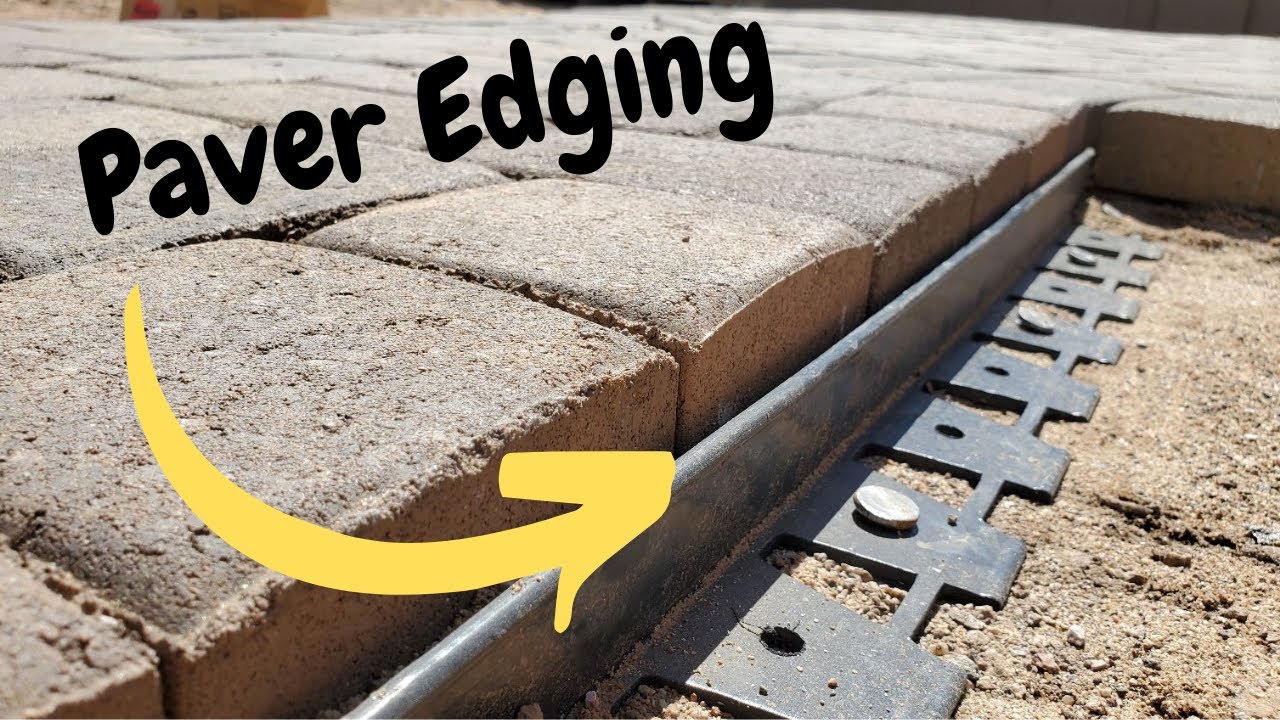
Edge restriction maintains the pavers from sneaking under wheels or frost. For driveways, I choose concrete visuals or cast in place concrete buttocks along the sides. Plastic side restraints with long spikes can function, yet they require a solid, compacted base and stakes driven right into secure product, not into loosened bedding sand. Where the driveway meets a grass, a buried concrete side set simply below yard elevation offers a clean line and a lawn mower proof boundary.
At the street, an enhanced concrete apron or a row of soldier training course pavers locked into a concrete beam stands up to rake blades and transforming forces. If you plan to tie right into an existing asphalt road, reduced a clean edge and set up the restraint under the paver line so the interface remains tight. For a Walkway Paving Setup that twists through a yard, a flexible plastic restraint is usually sufficient, however the base beneath still requires compaction bent on the edge.
Bedding layer and why it is not a fixer for base errors
The bedding layer exists to seat the pavers and allow tiny height changes, not to degree significant waves. For standard pavers, utilize concrete sand with a consistent gradation or a made bed linen product created for pavers. Screed rails set to the appropriate elevation overview a straightedge, and the loosened screeded layer must be about 1.25 inches prior to compaction of the pavers presses it to approximately one inch. If your base is off by half an inch, withstand the urge to build that in bed linen. Draw the sand, adjust the base, after that re screed. Bed linens that is as well thick steps under lots and pulls out of the joints under vacuum forces from traffic.
Dealing with water: drain paths, materials, and frost
Water locates every path and penalizes shortcuts. A driveway base need to either drop water sideways quickly or relocate downward right into a cost-free draining pipes layer that does not hold it near the cold aircraft. On a fundamental dense rated base, go across incline and shoulder drain are your allies. If the driveway sits in a dish or if clay locks dampness in, take into consideration a perimeter drain or a French drain covered in material to bring water away. I have mounted 4 inch perforated pipeline along the reduced side of long drives, bedded in clean stone and wrapped in nonwoven fabric, daylighted to a reduced elevation. The base stayed dry through spring thaws where next-door neighbors' drives heaved.
In cool areas, the frost line dictates care. The base does not need to go to frost depth, but it should avoid water from trapping. Avoid fine materials near the bottom that hold dampness. If the soil is frost vulnerable, thicker base, geotextile separation, and perhaps a layer of open graded rock below the dense base assistance. In extremely cold areas, a foam insulation layer at the edges near frameworks can regulate differential heave, but that is an information to develop with care.
Load categories and sizing the base
Not all driveways see the same abuse. A narrow solitary automobile run, lightly utilized by a portable automobile, is various from a vast court that hosts delivery van and turnarounds. I categorize loads by axle weight and frequency. For regular suv use, 8 inches of compressed dense graded base does well on suitable subgrade. For regular heavy lots, upsize to 12 inches and widen the compacted base beyond the paver edge by at least 6 inches to sustain transforming wheels. If there is a curb or a wall surface restricting one side, consider wheel tons focus and add density on that side.
When a customer asks if they can park a 9,000 pound RV for weeks, I advice two adjustments. First, boost base thickness and possibly change to an open graded base with appropriate restraints to decrease wetness under the contact area. Second, widen the load courses and, if spending plan allows, make use of thicker pavers rated for car service. The base still does a lot of the job, however the surface density assists spread out load.
Quality control that pays back
Strong habits stop do overs. I log compaction passes per lift, and if a plate appears to ride in different ways, I stop and inspect moisture. An evidence roll with a crammed truck is useful on bigger jobs. Drive slowly across the base and watch for deflection. If the base disperses more than a quarter inch under a hefty axle, address it prior to moving on.
Measure, do not guess. A straightforward soil probe or marked shovel aids keep lift density straightforward. A straightedge made use of every few feet catches humps and lows. Photo layers for your records, specifically materials and drains pipes that disappear under rock. If a section will certainly sit exposed to weather over night, crown it somewhat and tarpaulin if rainfall is forecast. Saturated base can take days to recover.
Common mistakes and just how to stay clear of them
The worst mistakes repeat across tasks. Relying on bed linen sand to deal with a curly base causes rutting. Missing geotextile over clay invites migration and pumping. Compacting thick lifts conserves time in the moment and expenses weeks later on when tire tracks appear. Overlooking water develops lifelong upkeep. Weak or absent edge restraints let pavers creep under transforming movements, especially near a garage where tires scrub while drivers guide at low speed.
There are also subtler mistakes. Eliminating way too much topsoil in a tight city front yard can drop the driveway relative to the bordering walkway, developing an awkward lip. Puncturing a tree root area without a strategy can undercut a mature tree and welcome long term settlement as the origins decay. In those instances, bridge over roots with shallow excavation and a geogrid reinforced base, or adjust alignment.
Cost and time, with sensible ranges
Homeowners often permeable pool deck pavers East Bay ask what a correctly constructed base prices. Material and labor vary by region, yet you can believe in ranges per square foot for the base portion alone. Dense graded stone supplied runs in the range of 30 to 60 bucks per ton in lots of markets, and you need roughly 1.5 bunches per cubic yard. An 8 inch layer is about 0.67 cubic yards per 100 square feet, so the rock alone may run 15 to 40 dollars per 100 square feet, prior to delivery and tax. Include textile at about 0.30 to 0.60 bucks per square foot. Tools, labor, and disposal of spoils press the mounted base cost right into the 6 to 12 bucks per square foot array in many locations, sometimes more in high expense cities or limited sites.
Time depends upon gain access to, climate, and crew size. A 2 individual team with a skid guide and a plate compactor can dig deep into and develop base for 400 to 800 square feet of driveway in a couple of days, thinking normal depth and excellent dirt. Include a day if you are working in clay or if trucking spoils off website entails a long run. Do not rush compaction to strike a routine. I have stopped briefly jobs for a day to let a rainfall drenched subgrade completely dry instead of pressing mud around and developing a future failure.
Environmental factors to consider without compromising performance
A well drained base can likewise be a liable one. Recycled concrete aggregate, when sourced from a trustworthy recycler, reduces demand for quarry stone and performs well under compaction. Making use of an open graded base under permeable pavers can charge groundwater and reduce runoff, yet it requires thoughtful style of the subgrade and overflow approach. In cool areas, salt run off is a worry. Good water drainage and limited joints reduce merging and the quantity of deicer needed.
Spoils disposal provides another chance. Clean topsoil and sod can usually be reused on site to regrade grass or build growing beds. Rock surplus, if uncontaminated, can be saved for future fixings or made use of under sheds or as a subbase for yard paths.
A practical series that services real sites
- Walk the site, established qualities, mark utilities, and define sides. Establish coating elevations and compute excavation depths from there.
- Excavate to deepness, keeping incline, and remove organics. Compact the subgrade gently and determine vulnerable points that require geotextile or linking stone.
- Lay nonwoven geotextile where needed, overlapping seams. Place base in lifts of 3 inches loose, small each lift completely with dampness control.
- Shape the base to final grade with a straightedge, tight to within a quarter inch over 10 feet. Set up side restraints on a compressed base, not on bedding.
- Screed a one inch bed linen layer of ideal sand or manufactured product, after that location and small pavers, fill joints, and re compact.
That five action summary hides a hundred micro decisions, yet if you strike each major point easily, the information generally fall under place.
Special instances: steep drives, clay containers, and limited urban lots
Steep driveways challenge traction throughout building and construction and service. I limit lift density a lot more on slopes, and I orient compaction passes perpendicular to the fall where safe. Side restraints need additional interest, typically concrete, and cross incline needs to not exceed what fits for vehicles to pass through without bottoming. On long, high runs, break water with touchdown locations if the home allows, so water rate does not erode joints.
Clay containers, the timeless dish shaped front backyard where water rests after storms, determine a hostile water drainage plan. I have actually cut a superficial trench along the low edge, covered perforated pipeline in material and clean stone, and attached it to a completely dry well or to the tornado system where lawful. The secret is to offer water a reliable exit that does not weaken the base.
Tight whole lots bring spoil monitoring and staging migraines. When road vehicle parking is limited and you have no space for a rock pile, schedule deliveries in smaller sized lots timed to compaction progression. Usage plywood or ground defense mats to safeguard neighbors' lawns and avoid turning the task into a diplomatic problem.
Verifying success prior to any paver touches the ground
An ended up base must seem like strolling on concrete. Your boot needs to not dent the surface. A 10 foot straightedge ought to reveal only tiny, gradual variations. Water from a hose pipe ought to run regularly to the made low side without merging. If you have the perseverance, leave the base revealed for a day of website traffic from a loaded pick-up or a little dump vehicle. Look for ruts. If the base disregards that test, it is ready.
I often invite the house owner to stroll it with me at this phase. When they really feel exactly how strong it is and see the precise form, they recognize where their cash went. The pavers they picked will look good no matter what, yet only a well ready base will certainly make them look great for a decade.
A short troubleshooting list for base preparation
- Tire tracks or ruts show up throughout compaction: reduce lift density, adjust dampness, and think about geotextile over the subgrade.
- Base looks limited however pumps water at the surface: pause, allow it drain, and add a connecting layer of bigger stone if needed.
- Elevations wander along the run: reset a couple of string line criteria and inspect every 8 feet with a straightedge, correcting at the base, not in bedding.
- Edges feel soft near restrictions: widen the compacted base past the paver line and re portable with added passes, after that reset the restriction on the rock, out sand.
- Water pools at the reduced end after a tube examination: change cross slope and include or unclog drain paths before proceeding.
Bringing all of it together for sturdy paver work
Interlocking pavers are forgiving at the surface. You can replace a tarnished item, move a pattern, or re sand a joint in a mid-day. The base is not so forgiving. It specifies the feeling underfoot and under tire for the life of the installment. Approach it with the very same treatment a carpenter gives to a foundation. Plan the grades, recognize the soil, different weak material with textile, compact in honest lifts with wetness control, and lock the edges. That frame of mind applies throughout both Driveway Paving Installation and Sidewalk Paving Setup. The distinction is primarily in thickness and restriction, not in the principles. Develop the base as if you will drive a truck on it before you ever established a paver, and the finished surface will certainly thanks every season that passes.
❧